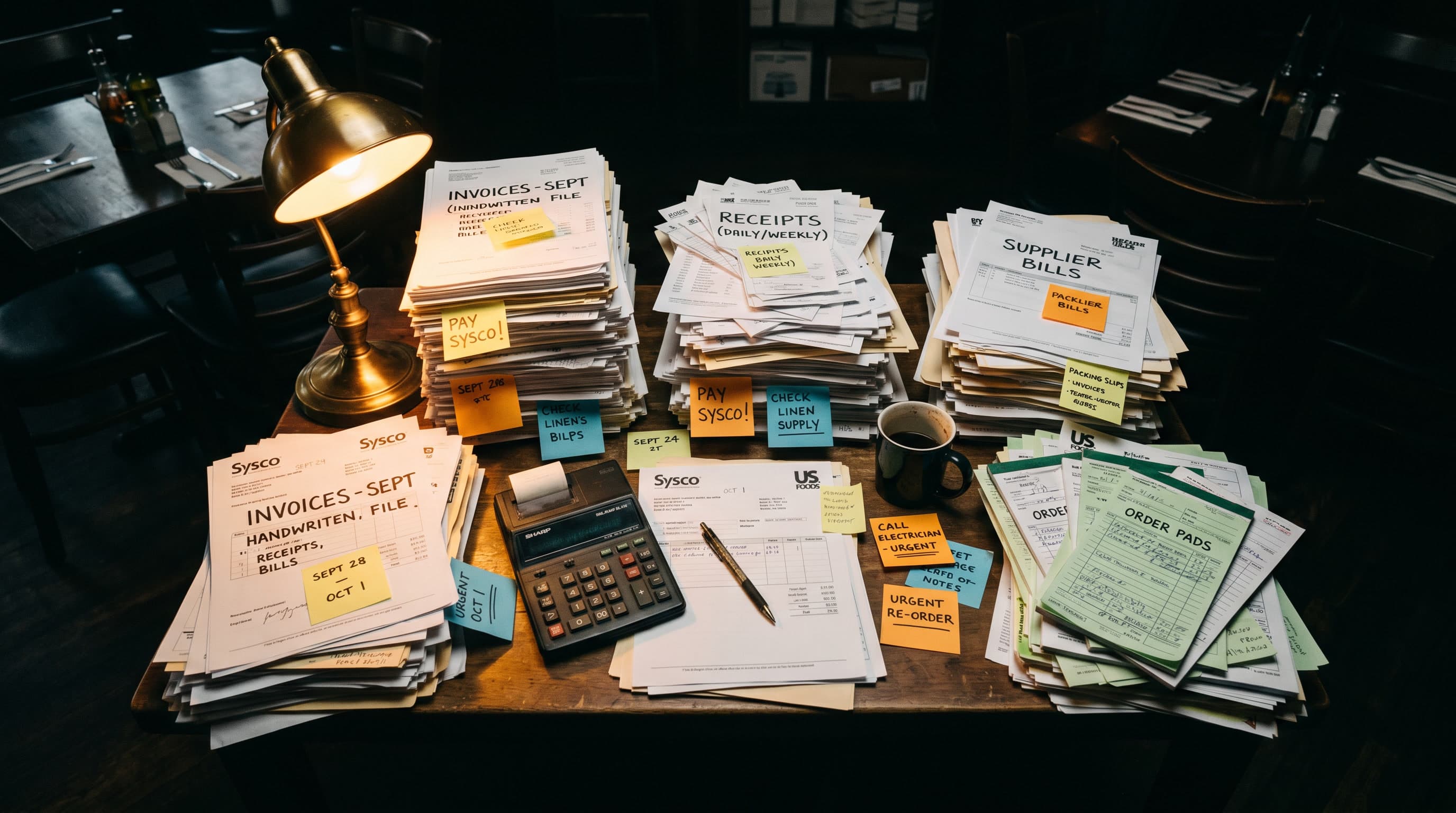
The real cost of a €0 website
Free builders, free templates, a cousin who knows computers. What the zero-euro website actually costs a small business — and when free really is the right call.

Mr. Kampouridis Dimitris
Founder · Orya One
Essay6 min read
- the headline price
- €0
- where it usually lands
- €40–90/mo
- leave a slow mobile site
- 53%
- questions before you pay
- 3
01 · The €0 pitch
Every small business owner has heard it. The website builder with the free tier. The template that looks great in the ad. The nephew who 'does websites' and will sort it out over a weekend. The pitch is always the same: why would you pay for something you can get for free?
It is a fair question, and it deserves a fair answer — not a scare story from a studio that sells websites. So here is the honest version, including the cases where free genuinely wins.
02 · Where the money hides
The free tier is a foyer, not a building. The moment the site needs to do anything — take a booking, show a menu without the builder's logo, use your own domain, send a contact form to your inbox — the meter starts:
- Remove the builder's branding: paid tier
- Connect your own domain: paid tier
- Booking or reservation widget: separate subscription
- Contact forms beyond a handful per month: paid tier
- Online payments: platform commission on top of card fees
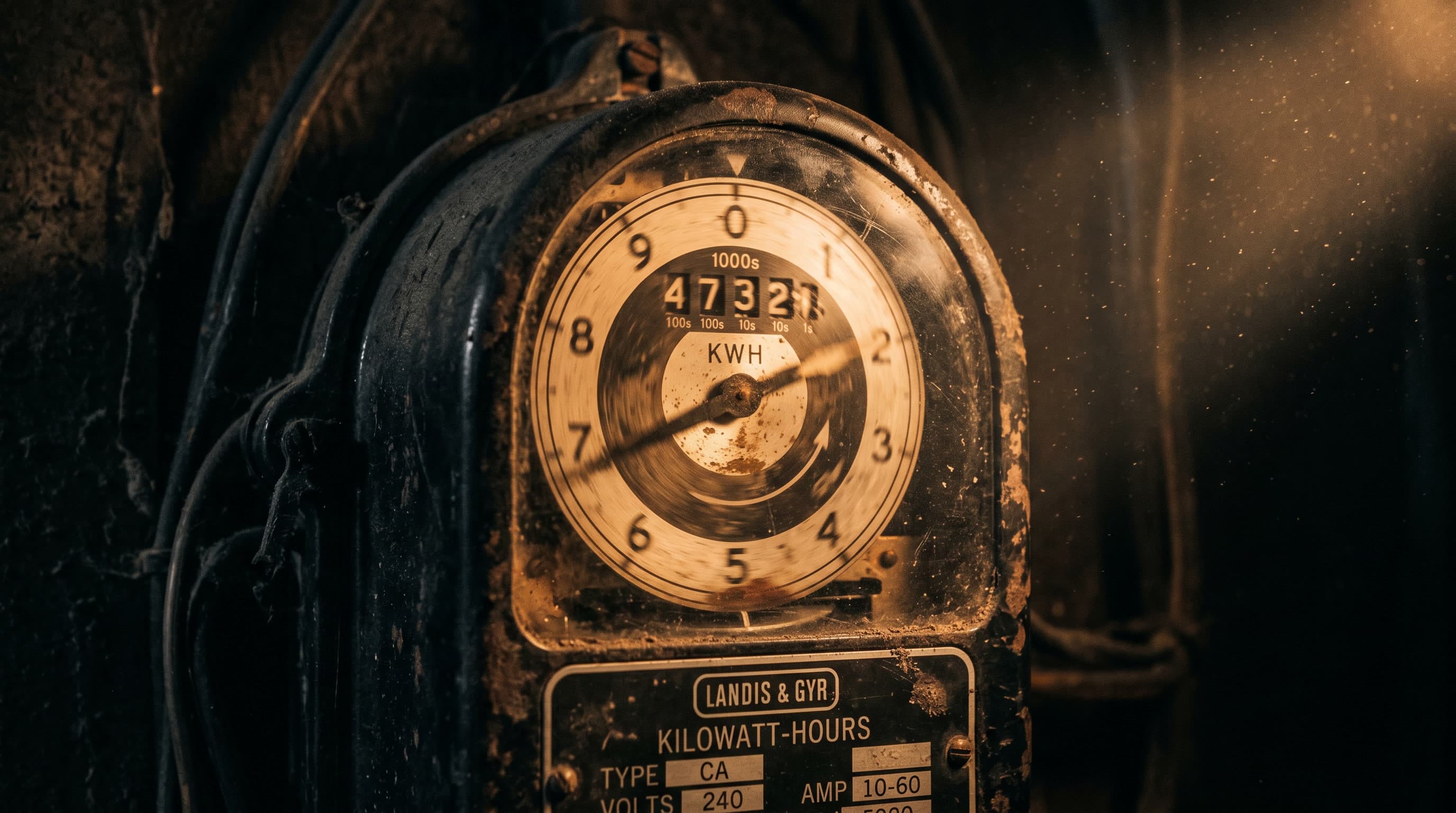
Stack three or four of those and the €0 website quietly becomes €40 to €90 a month — €500 to €1,000 a year, every year, for a site you still do not own. That is not a scandal. It is just not €0, and nobody says so out loud.
The free tier is a foyer, not a building. The €0 website quietly becomes €500 to €1,000 a year — for a site you still do not own.
03 · What it costs in customers
The subscription creep is the visible cost. The invisible one is bigger.
Google's own research has shown that over half of mobile visitors abandon a page that takes more than three seconds to load. Free-tier sites — bloated templates, shared infrastructure, no image optimisation — fail that bar constantly. For a taverna or a hotel, the mobile visitor is the customer: they are standing in the street deciding where to eat, or on a sofa deciding where to stay.
Then there is the menu uploaded as a photo of a printed PDF. Search engines cannot read it, tourists cannot translate it, and accessibility tools cannot speak it. The business is invisible in exactly the searches it should win — 'fish restaurant near me' in two languages.
04 · The ownership problem
Ask the builder's free tier three questions. Can you export the site and host it elsewhere? Can you take the design with you? If the platform doubles its prices or shuts the tier down, what exactly do you keep?
For most builders the honest answers are no, no, and the text you can copy-paste out. Years of small edits, photos, and search ranking — attached to a rented platform. That is the same lock-in we wrote about in our build-or-buy essay, in miniature.
05 · When free is exactly right
Here is the part a web studio is not supposed to say: sometimes the free builder is the correct choice, and we tell people so.
- You are testing an idea and do not yet know if the business exists — validate first, invest after
- The project is seasonal or temporary — a one-summer pop-up does not need owned infrastructure
- The business genuinely lives elsewhere — if every customer arrives via Instagram or a marketplace, a landing page is enough for now
In those cases, spending on a proper site is premature. The mistake is not starting free. The mistake is staying free after the business has proven itself — and paying the invisible costs for years.
06 · What a proper site costs — and what it must include
A properly built small-business site is not a luxury purchase. For most of the businesses we work with it is a one-time project at a defined price, and it should include, at minimum: hosting you control, a domain registered to you, fast load on a phone on Greek summer hotel Wi-Fi, both languages done properly rather than auto-translated, local search done right, and the source handed over at the end. You own it — the same principle as everything else we build.
Run the arithmetic against €500 to €1,000 a year in builder subscriptions and the break-even usually lands within two to three years — before counting a single extra customer the faster, findable site brings in.
07 · Three questions before you pay anyone
Whether you hire us, another studio, or a freelancer — ask these three questions first:
- Who owns the domain, the hosting, and the source when the project ends? The only acceptable answer is: you.
- What does it score on mobile speed — measured, not promised?
- What happens when something breaks at 21:00 on a Saturday in August?
Anyone who answers all three without flinching is worth talking to. Anyone who dodges the first one is selling you a rental.
08 · Our own answer
This is the kind of work we do for small businesses alongside the larger systems: fishmarketgregory.com, megkas-restaurant.gr, achillionparalia.gr — a fish market, a bistro, a seaside hotel. Fast, bilingual, owned by the business, no monthly builder bill.
If your €0 website has quietly become a €70-a-month website that loads slowly in the one moment a customer is deciding — that conversation costs five sentences. We come back within 48 hours.
- websites
- small business
- site builders
- SMB