Hotel Websites on the Olympus Riviera: How to Win More Direct Bookings
Booking platforms bring guests, but they take a large share of every stay. Here is how a small hotel on the Pieria coast can move part of that demand to its own website.
Orya One
Guide8 min read
Key takeaways
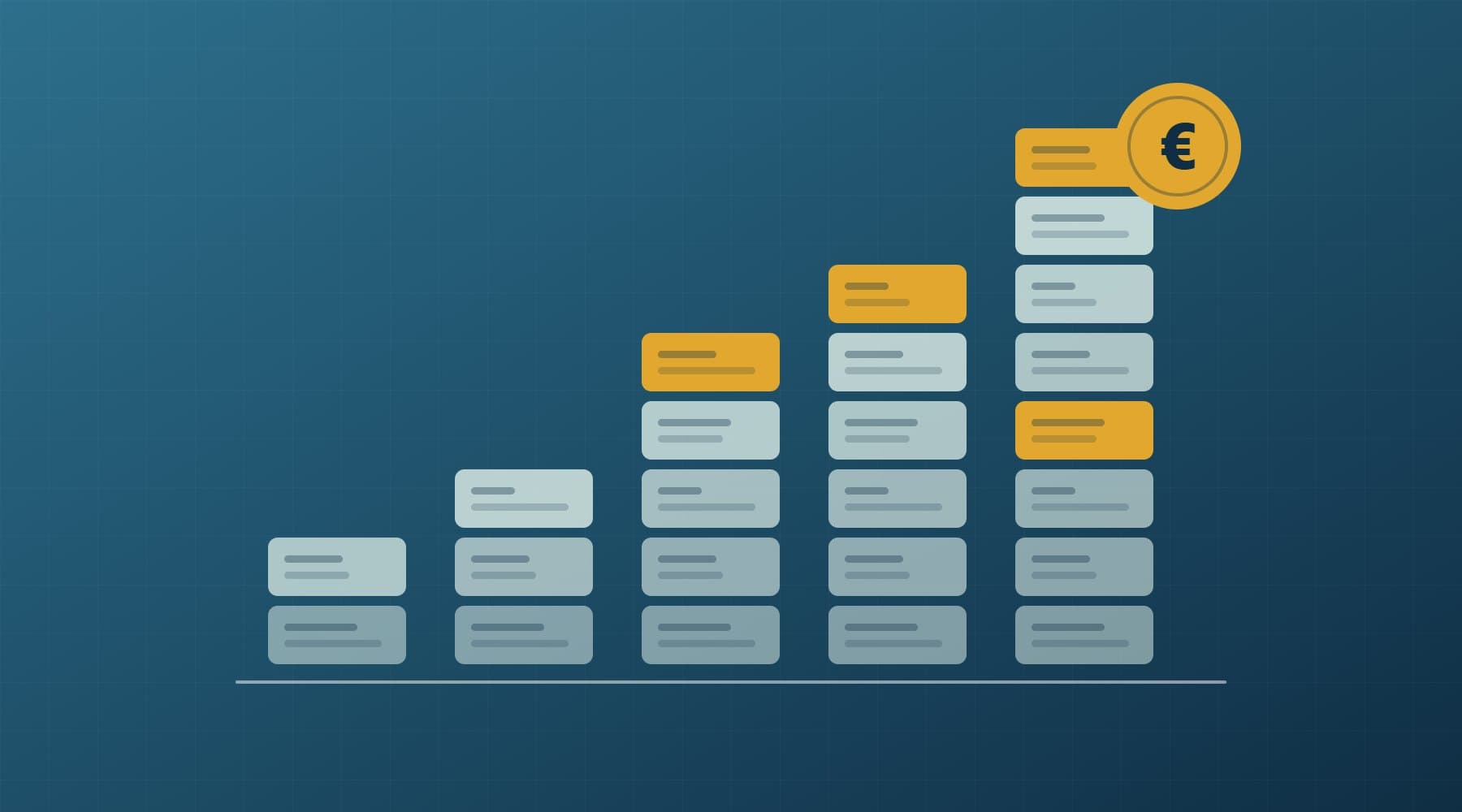
- Each booking moved from an OTA to your own site saves most of a commission that Greek hoteliers put at roughly 15–25%.
- A direct-booking site needs speed, a real booking engine, room-led pages, real photos and clear policies.
- Google free booking links put your own rate next to the OTAs at no click cost.
- Your past guests are your cheapest channel: capture their email and invite them back before the season.
A small hotel on the Olympus Riviera wins more direct bookings by giving guests a reason and a route to book on its own website: a fast, mobile-friendly site with an integrated booking engine, a rate at least as good as the online travel agencies (OTAs), real photos of each room, clear policies, and a Google presence that sends people there rather than to Booking.com. Most hotels will never be fully independent of OTAs, and they should not try. The goal is to shift a meaningful share of bookings, typically repeat guests and people who already found you, onto a channel that does not take a commission.
This guide is for owners of small and mid-sized hotels and rooms to let in Paralia Katerinis, Olympiaki Akti, Leptokarya, Platamonas and the rest of the Pieria coast. It covers the commission economics, a worked example, what the website needs, Google's free booking links, repeat guests, how to measure progress, and how to use the off-season.
Why OTA dependency is expensive
OTAs are excellent at reaching guests you could never reach yourself, especially from abroad. The cost is commission on every stay, including guests who would have found you anyway. Greek hoteliers commonly report effective Booking.com commissions of roughly 15% to 25%, with the higher end tied to optional visibility programmes, and they have complained publicly about commission being charged on prices that include taxes. Check your own invoices: the number that matters is what you pay across a whole season, not the base rate in the contract.
There is also a less visible cost. When a guest books through an OTA, the platform owns the relationship. You often get a masked email address, little marketing permission, and a guest who will search the platform again next year, where your competitors sit one scroll away.
A worked example: what shifting bookings to direct saves
Take a hypothetical 20-room hotel in Paralia Katerinis, open about 150 nights a year, at 70% average occupancy and an average daily rate of €90. That is 2,100 room nights and €189,000 in room revenue. Assume an effective OTA commission of 18%, and that direct bookings carry their own costs, such as booking engine fees, card processing and a little marketing, of about 4% of direct revenue.
| OTA share | OTA commission (18%) | Direct cost (4%) | Total distribution cost | Saving vs 70% OTA |
|---|---|---|---|---|
| 70% | €23,814 | €2,268 | €26,082 | — |
| 60% | €20,412 | €3,024 | €23,436 | €2,646 |
| 50% | €17,010 | €3,780 | €20,790 | €5,292 |
Moving ten percentage points of revenue from OTAs to direct is worth about €2,600 a year in this example, and twenty points about €5,300, before counting the value of owning the guest relationship. These are illustrative numbers, not a forecast. Swap in your own rooms, rates, occupancy and real commission to see your figure; a hotel with a higher rate or longer season will see proportionally more. The same arithmetic tells you how much a better website and booking engine can reasonably cost and still pay back within a season or two.
What a direct-booking hotel website needs
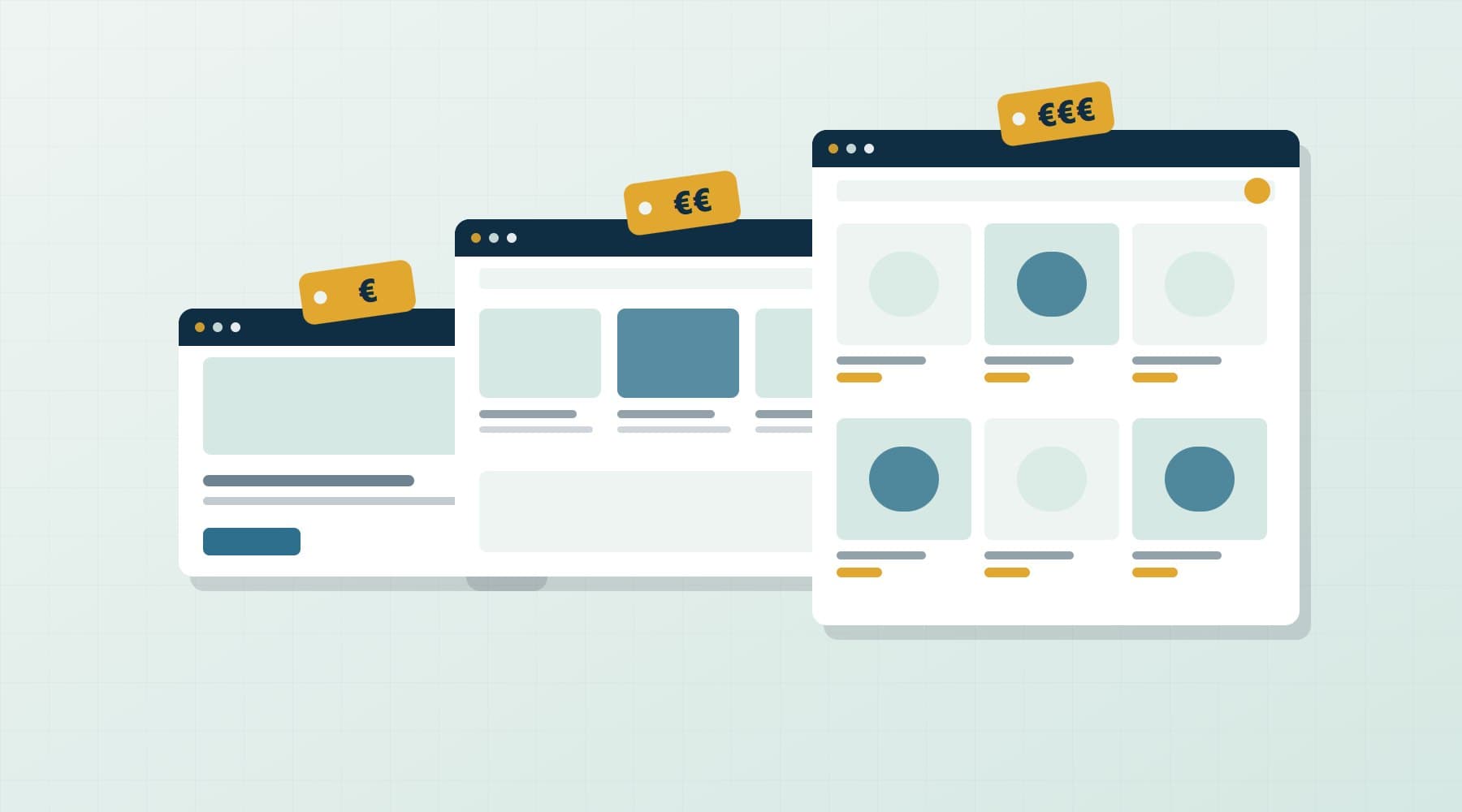
Guests usually compare your site with the OTA listing in another tab. Your site has to be at least as easy, as clear and as trustworthy, or they will go back and book there.
Speed and a mobile-first layout
Most browsing happens on phones. Keep pages light, compress photos properly and make the “Check availability” button visible without scrolling. A slow, heavy homepage is the most common reason guests give up and return to the OTA.
A real booking engine, not an enquiry form
Guests expect live availability, a price and instant confirmation. Use a booking engine connected to your channel manager or property management system, so rates and availability stay in sync with the OTAs and you never double-book. Make sure it is styled to match the site, works well on mobile and takes no more than a few steps from dates to payment.
Room-led pages and real photos
Give every room type its own page with real photos, size in square metres, bed setup, view, maximum occupancy and what is included. Families, couples and groups decide by room, not by the lobby. This is the approach we took for Achillion Hotel in Paralia Katerinis: a bilingual site where discovery is led by the rooms themselves.
Best-rate promise and clear policies
- A short, honest best-rate statement, ideally with a tangible extra for direct guests: breakfast, late check-out, a beach umbrella or free parking.
- Cancellation, deposit and payment terms written plainly, in every language you offer.
- Check-in times, parking, pets, children's ages and accessibility information.
- Any local taxes or fees shown before the final step, never as a surprise.
Bilingual or multilingual content
Greek and English are the minimum. Foreign visitors to the Pieria coast come largely from Balkan neighbours such as Serbia, North Macedonia, Bulgaria and Romania, plus Germany and other Central European countries. Check your OTA reports for guest nationality, and add a third language only where the numbers justify it. Each language needs its own URLs and properly translated booking terms. For the wider local picture, see our guide to websites for businesses in Katerini and Pieria.
Google Business Profile and free booking links
Many guests search for your hotel name on Google after seeing it on an OTA. What they see there decides who gets the booking. Claim and verify your Business Profile, keep photos current, fill in the hotel amenities, and reply to reviews in the reviewer's language.
Then make sure your own rate appears in Google's hotel price comparison. Google's free booking links show your official site alongside the OTAs, and Google states that it does not charge for placement or clicks on these links (Google Hotel Center Help). In practice, most small hotels join through their booking engine or channel manager, which sends rates and availability to Google. Ask your provider whether they support it; if they do not, that is a reason to reconsider the provider.
Paid metasearch, meaning Google Hotel Ads, Trivago and similar, can add volume on top. It is worth testing for hotels with a decent budget and someone who will watch the numbers weekly. For most small properties, free booking links plus a strong profile come first.
Repeat guests: the cheapest booking you will ever get
A guest who enjoyed a week in Olympiaki Akti last July is the easiest booking to win for next July, as long as you can reach them. Build a simple routine:
- Collect email addresses with clear consent at check-in or through your booking engine, in line with GDPR.
- Send a short thank-you after departure with a link to leave a Google review.
- In winter, send past guests a direct-booking offer for next season before you open OTA promotions.
- Give returning guests a reason to book direct every time: a small discount, an upgrade when available, or an early check-in.
- Keep it to a few emails a year. Guests forgive infrequent, useful messages; they unsubscribe from weekly ones.
Trust signals guests look for
Booking a stay with a hotel they have never heard of is a leap of faith for a foreign guest. Remove the doubts one by one:
- A secure checkout (HTTPS) and a recognised payment provider.
- Recent guest reviews, with a link to your Google profile so they can check them independently.
- A real address, map, phone number and a named contact person.
- Licence or registration number displayed where required.
- Photos that match reality, including bathrooms and the view from the balcony.
- Quick replies to emails and messages; a two-day wait sends guests back to the OTA.
How to measure your direct-booking share
If you do not measure it, you will not know whether the website is working. Track a few numbers monthly from your channel manager and analytics:
| Metric | What it tells you | Where to find it |
|---|---|---|
| Direct share of room revenue | Whether the mix is shifting | Channel manager or PMS reports |
| Net revenue per booking by channel | What each channel really earns after commission | PMS plus OTA invoices |
| Booking engine conversion rate | Whether visitors who check dates actually book | Booking engine and analytics |
| Traffic from Google free booking links | Whether the free listing drives visits | Hotel Center and analytics |
| Repeat guest share | Whether guests come back direct | PMS guest history |
Turning these into a single monthly view is a small job with a big effect. Our guide to a small business KPI dashboard shows the approach.
Use the off-season: an early-booking strategy
On a seasonal coast, winter is when direct bookings are won. Guests planning family holidays often book well ahead, while many visitors from nearby countries who drive in book closer to arrival. Check your own booking-window data to see which pattern you have, then plan accordingly:
- November to January: refresh photos and room pages, fix anything guests complained about, and confirm your booking engine and Google listing are working.
- January to March: launch an early-booking offer on your own site first, then email past guests before opening OTA early-bird deals.
- April to May: push direct for shoulder-season dates, which are easier to fill with flexible, returning guests.
- In season: stop rebuilding, keep the site accurate, answer messages fast, and collect emails and reviews.
A direct-booking checklist
- Site loads quickly on a phone, with the availability button visible straight away.
- Booking engine synced with your channel manager, styled to match, and quick to complete.
- One page per room type with real photos, size, beds, view and occupancy.
- Direct rate equal to or better than OTAs, plus a tangible extra.
- Clear policies and fees in every language offered.
- Google Business Profile verified, complete and current.
- Free booking links active through your booking engine or channel manager.
- Guest email capture with consent, and a winter early-booking email.
- Monthly report of direct share and net revenue per channel.
How Orya One can help
Orya One is based in Paralia Katerinis, on the same stretch of coast as many of the hotels this guide is written for. We built the bilingual, room-led website for Achillion Hotel, and we work on the parts around it too: booking engine integration, hosting, monitoring, and dashboards that show which channels actually make money.
If you want to see where your own direct-booking share could go, send us a note with your room count and current channel mix. We will give you a straight view of what is worth doing first, even if the answer is a better Google profile rather than a new website.
Frequently asked questions
How much commission does Booking.com charge hotels in Greece?
Booking.com does not publish a single rate for all hotels, and the effective cost depends on your contract and any visibility programmes you join. Greek hoteliers commonly report effective commissions of roughly 15% to 25%. Check your own monthly invoices to calculate what you actually pay across a full season, since that figure, not the base contract rate, is what direct bookings can save you.
Can a hotel offer lower prices on its own website than on Booking.com?
Yes. Booking.com is designated as a gatekeeper under the EU Digital Markets Act, and the European Commission states that parity clauses are prohibited, meaning Booking may not raise commission or delist a hotel for offering different prices elsewhere. Hotels in the EU can therefore offer a lower rate, or extras such as breakfast or late check-out, to guests who book directly on the hotel's own website.
What are Google free booking links for hotels?
Free booking links are unpaid listings in Google's hotel search results that show prices from the hotel's official website and other booking partners. Google says it charges nothing for placement or clicks on them. Small hotels usually take part through their booking engine or channel manager, which sends rates and availability to Google Hotel Center. Ask your provider whether they support it.
Does a small hotel need a booking engine on its website?
In most cases, yes. Guests expect to see live availability, a final price and instant confirmation. An enquiry form or email address loses many of them back to the OTAs. Choose a booking engine connected to your channel manager or property management system so rates and availability stay in sync, which prevents double bookings and lets you appear in Google's free booking links.
How can a small hotel in Greece increase direct bookings?
Start with a fast mobile website and an integrated booking engine, then offer a direct rate at least equal to the OTAs with a small extra. Keep your Google Business Profile complete, activate free booking links, collect guest emails with consent, and invite past guests back each winter before OTA promotions start. Track direct share of revenue monthly to see what is working.